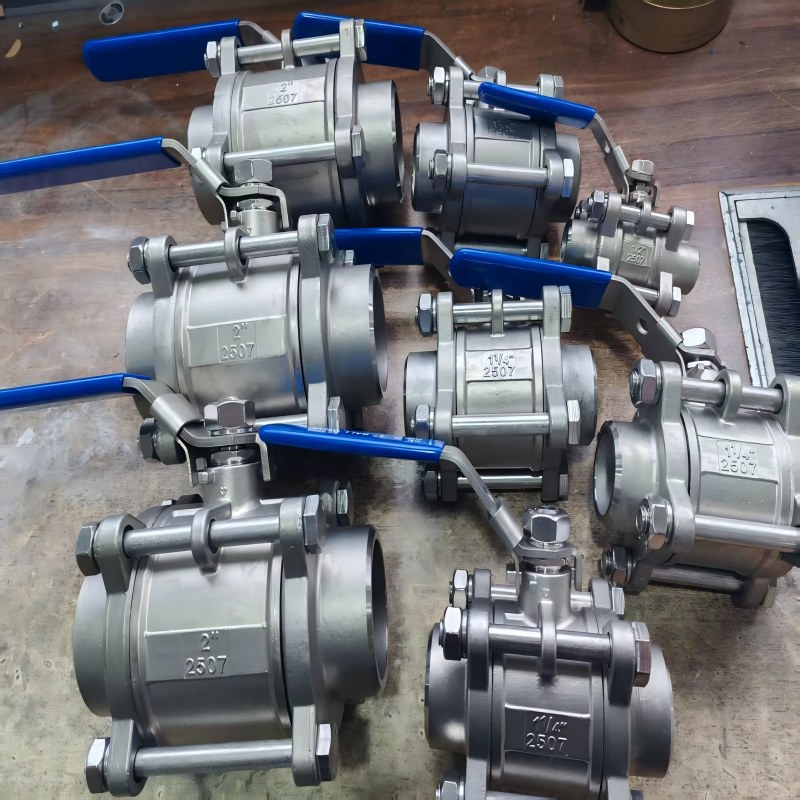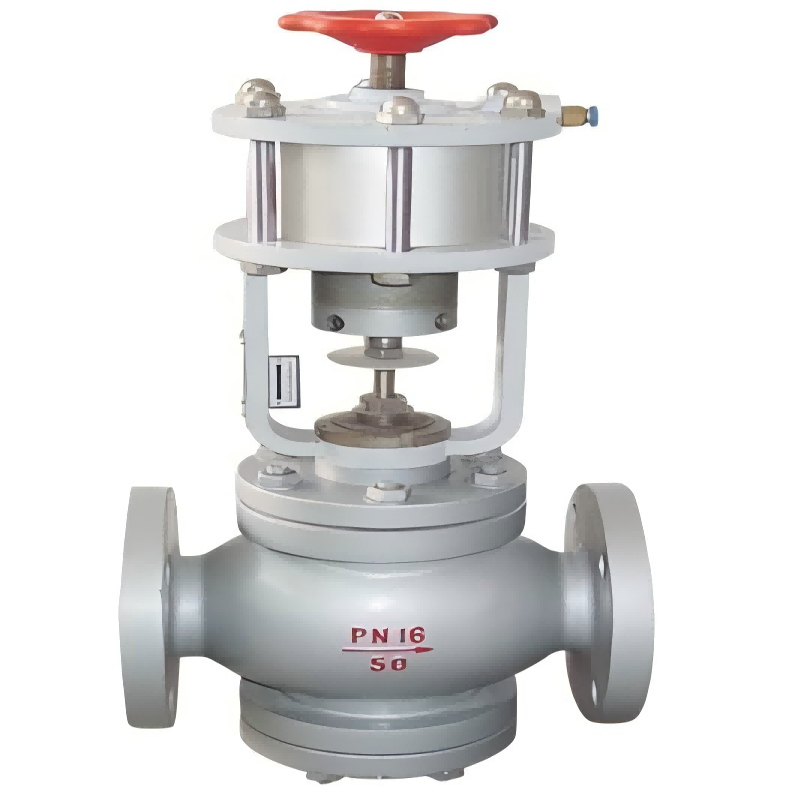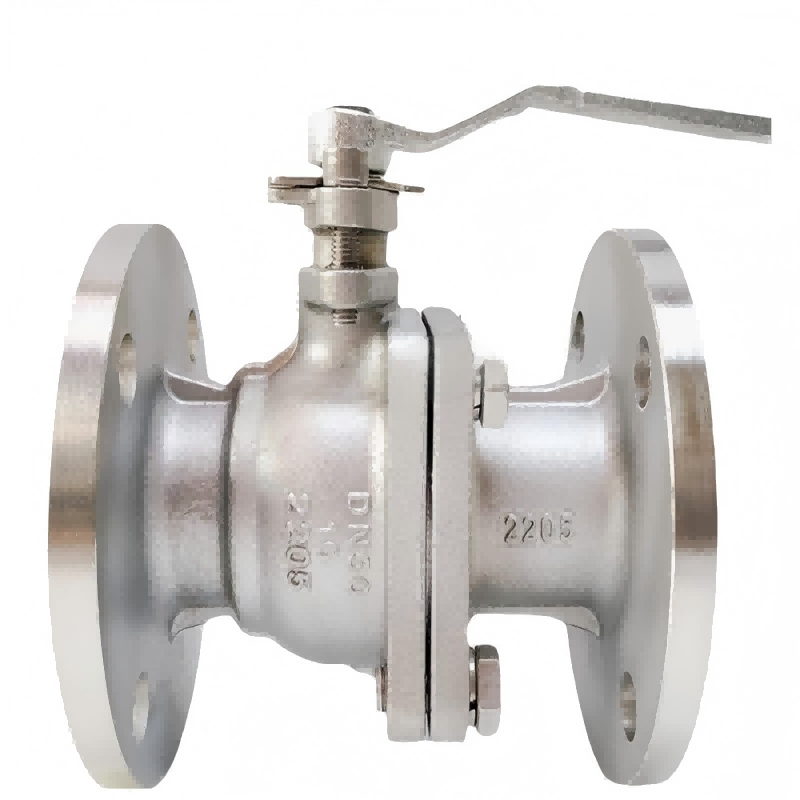

Product Code : VCC-F--QQ506-CU
- Sizes from 2 "to 8" (DN50mm to DN200mm).
- Pressure rating from 150LB to 600LB (PN10 to PN100).
-RF, RTJ, or BW ends.
- Polytetrafluoroethylene, nylon, etc
- Drive mode can be manual, electric, pneumatic or equipped with ISO platform.
-Cast titanium material B367 Gr. C-2, B367 Gr. C-3, B367 Gr. C-5, B367 Gr. C-6, B367 Gr. C-7 et al
Please contact us if you need customized services. We will contact you with the price and availability in 24 hours.
| Product | Product Code | Purity | Size | Contact Us |
Product Details
The density of titanium metal is 4.51g/cm3, which is higher than that of aluminum, lower than that of steel, copper and nickel, but the specific strength is higher than that of metal materials. The strong corrosion resistance of titanium alloy valves is due to the fact that the base material titanium is a very active metal material with low equilibrium potential and high thermodynamic corrosion tendency in the medium. In fact, titanium is very stable in many media, such as oxidizing, neutral, and weakly reducing media. This is because titanium has a large affinity for oxygen. In air or oxygen-containing media, a dense, strong adhesion, inert oxide film is formed on the surface of titanium, which protects the titanium matrix from corrosion. It quickly self-repairs or regenerates even due to mechanical wear. This indicates that Ti is a metal with a strong passivation tendency. When the temperature of the medium is lower than 315 ° C, the oxide film of titanium always maintains this property.
In order to improve the corrosion resistance of titanium, surface treatment technologies such as oxidation, electroplating, plasma spraying, ion nitride, ion implantation, and laser treatment have been developed to enhance the protective effect of titanium oxide film and achieve the ideal corrosion resistance. A series of corrosion resistant titanium alloys such as Ti Mo, Ti Pd, Ti Mo Ni have been developed to meet the requirements of sulfuric acid, hydrochloric acid, methylamine solution, high temperature wet chlorine gas, and high temperature chloride. Ti-32 molybdenum alloy is used for titanium casting, Ti-0.3 molybdenum-0.8 nickel alloy is used for environments where crevice corrosion or pitting corrosion occurs frequently, or Ti-0.2 palladium alloy is used locally for titanium equipment, both of which achieve a very good user experience.
The new titanium alloy can be used for a long time at temperatures of 600 ° C or higher. Titanium alloys TA7 (Ti-5Al-2.5Sn), TC4 (Ti-6Al-4V), Ti-2.5Zr-1.5Mo are representative of ultra-low temperature titanium alloys, whose strength increases with the decrease of temperature, but their plasticity changes are very small. It maintains good plasticity and toughness at -196-253℃ ultra-low temperature, and prevents cold brittleness of metal materials. It is an ideal material for cryogenic containers, storage tanks and other facilities.
Field of Application
Titanium alloy ball valve has been widely used in many industries because of its excellent performance. The following are the main application areas of titanium alloy ball valves:
1, petroleum industry: widely used in oil extraction, transportation, refining and other processes to control the flow of oil, natural gas and other media.
2, chemical industry: used to control the flow of acid, alkali, salt and other corrosive media in chemical production process.
3. Metallurgical industry: used to control the flow of various high temperature, high pressure and corrosive media such as molten steel and molten iron in the process of metallurgical production.
4. Electric power industry: used in the electric power industry to control the flow of water, steam and other media, such as boiler water supply system, steam system, etc.
5, environmental protection industry: for the environmental protection industry to control the flow of various corrosive media, such as wastewater treatment, waste gas treatment and so on.
6, food and medicine industry: used in the food and medicine industry, to control the flow of media required by various health levels, such as food processing, drug production, etc.
Packing of Standard Packing:
Typical bulk packaging includes palletized plastic 5 gallon/25 kg. pails, fiber and steel drums to 1 ton super sacks in full container (FCL) or truck load (T/L) quantities. Research and sample quantities and hygroscopic, oxidizing or other air sensitive materials may be packaged under argon or vacuum. Solutions are packaged in polypropylene, plastic or glass jars up to palletized 470 gallon liquid totes Special package is available on request. E FORUs’ is carefully handled to minimize damage during storage and transportation and to preserve the quality of our products in their original condition