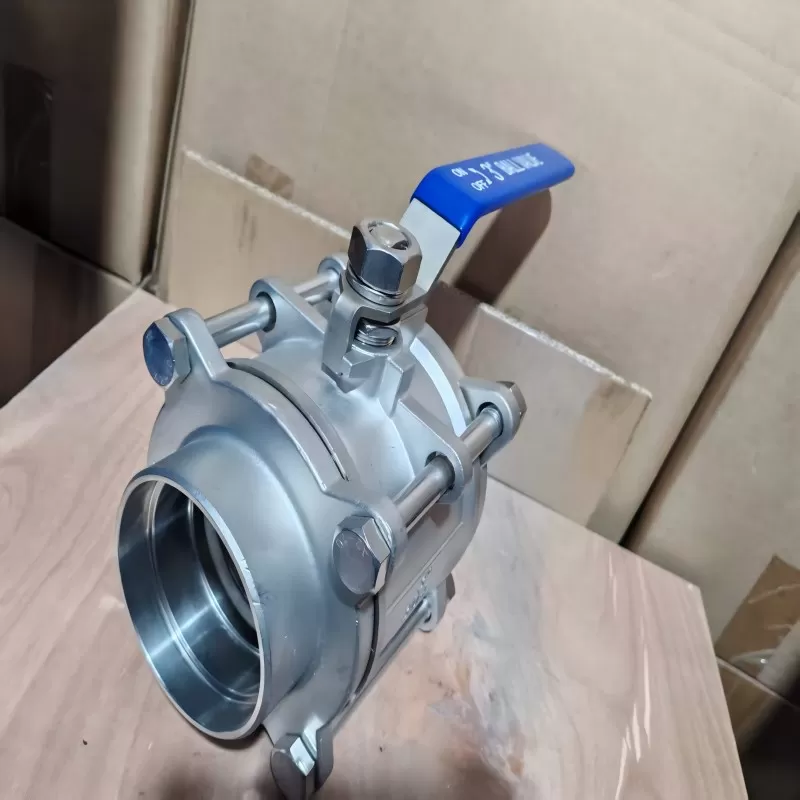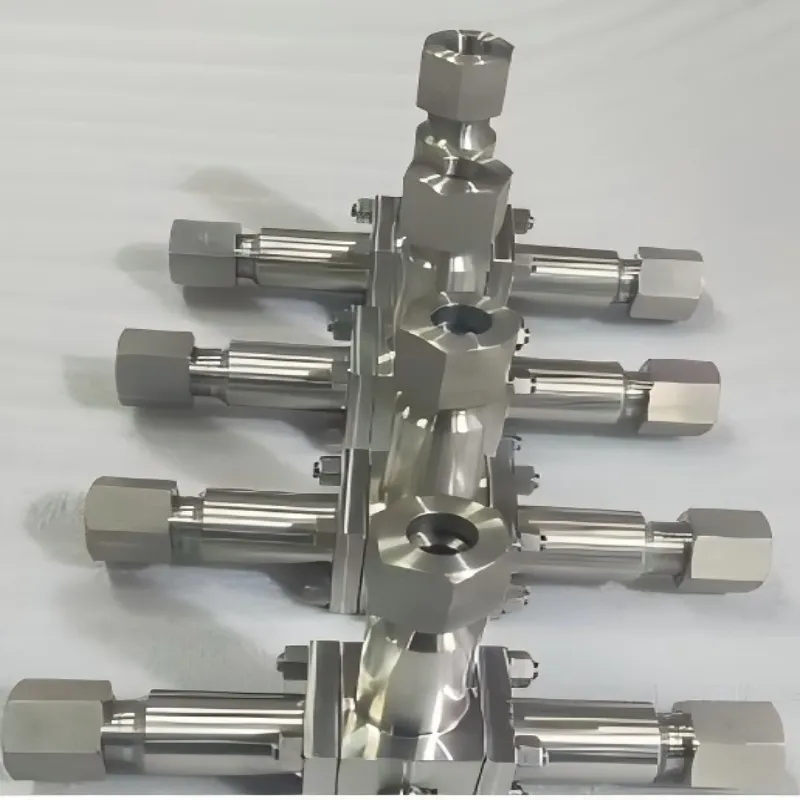

Product Code : VF--QCC-Q411-CU
Product Name: Pneumatic V-Type Ball Valve
Model: VQ647F/H/Y
Bore: DN25 - 500
Pressure: 1.0 - 6.4 MPa
Material: Cast steel, stainless steel, etc.
This product is suitable for regulating and controlling media containing fibers and tiny particles. It is widely used in industries such as petroleum, chemical engineering, power, papermaking, and metallurgy.
Please contact us if you need customized services. We will contact you with the price and availability in 24 hours.
| Product | Product Code | Purity | Size | Contact Us |
Overview of the pneumatic V-type ball valve:
The pneumatic V-type ball valve is composed of a flange-connected V-type ball valve, an air actuator, and related accessories. Its cylinder is connected to an air source of 0.4 to 0.7 MPa.The pneumatic V-type ball valve is composed of a flange-connected V-type ball valve, an air actuator, and related accessories. Its cylinder is connected to an air source of 0.4 to 0.7 MPa. When used in conjunction with a travel limit switch, a two-position five-way solenoid valve, and a pressure reducing valve, it can drive the valve stem to rotate 90 degrees to control the opening and closing action of the valve. By fully opening or fully closing the valve, it can achieve the circulation or cutoff of the medium in the pipeline. When used in conjunction with a travel limit switch, a two-position five-way solenoid valve, and a pressure reducing valve, it can drive the valve stem to rotate 90 degrees to control the opening and closing action of the valve. By fully opening or fully closing the valve, it can achieve the circulation or cutoff of the medium in the pipeline. When combined with a positioner, it can adjust the valve opening, change the cross-sectional area of the medium flow, and achieve the regulation of the valve. Due to its right-angle rotary structure, when the valve core rotates relative to the valve seat, it has a strong shearing effect. When combined with a positioner, it can adjust the valve opening and change the cross-sectional area of the medium flow, thereby achieving the regulation of the valve. Therefore, it is particularly suitable for regulating control of media containing fibers and tiny particles. Due to its right-angle rotary structure, when the valve core rotates relative to the valve seat, it has a strong shearing effect. This product is widely used in industries such as petroleum, chemical engineering, power, papermaking, and metallurgy.
Therefore, it is particularly suitable for regulating control of media containing fibers and tiny particles.Working principle of pneumatic V-type ball valve:
This product is widely used in industries such as petroleum, chemical engineering, power, papermaking, and metallurgy.
Working principle of pneumatic V-type ball valve:
The pneumatic actuator of the pneumatic V-type ball valve has two types: single-acting and double-acting.The pneumatic actuator of the pneumatic V-type ball valve has two types: single-acting and double-acting. In the case of double-acting operation, the air source signals output by the double-acting positioner are respectively input into the left and right air chambers of the cylinder piston. In the case of double-acting operation, the air source signals output by the double-acting positioner are respectively input into the left and right air chambers of the cylinder piston. Due to the different air source pressures input into the left and right air chambers of the piston, a pressure difference is formed, which drives the piston to move linearly. Due to the different air source pressures input into the left and right air chambers of the piston, a pressure difference is formed, which drives the piston to move linearly. Through the gear and rack transmission, the linear movement of the piston is converted into the rotational movement of the actuator's main shaft. Through the gear and rack transmission, the linear movement of the piston is converted into the rotational movement of the actuator's main shaft. When the pressure in the left and right air chambers is balanced, the movement stops. When the pressure in the left and right air chambers is balanced, the movement stops. At the same time, the main shaft's rotational movement drives the valve stem and valve core to rotate, thereby changing the flow area between the valve core and valve seat, achieving the regulation purpose. At the same time, the main shaft's rotational movement drives the valve stem and valve core to rotate, thereby changing the flow area between the valve core and valve seat, achieving the regulation purpose. In the case of single-acting operation, the air signal pressure output by the single-acting positioner is input into the air chamber without a spring on the cylinder. Under the action of the difference between the air signal pressure acting on the piston and the spring force, the cylinder piston moves linearly. In the case of single-acting operation, the air signal pressure output by the single-acting positioner is input into the air chamber without a spring on the cylinder side. Under the action of the difference between the air signal pressure acting on the piston and the spring force, the cylinder piston moves linearly. Through the gear and rack transmission, until the air signal pressure formed by the push force and the spring force are balanced, the movement stops. At the same time, the main shaft's rotational movement drives the valve stem and valve core to rotate, thereby changing the flow area between the valve core and valve seat, achieving the regulation purpose. Through the gear and rack transmission, until the air signal pressure formed by the push force and the spring force are balanced, the movement stops. At the same time, the main shaft's rotational movement drives the valve stem and valve core to rotate, thereby changing the flow area between the valve core and valve seat, achieving the regulation purpose.
As this valve is of a right-angle rotary structure, when the valve core rotates relative to the valve seat, it has a strong shearing effect.As this valve is of a right-angle rotary structure, when the valve core rotates relative to the valve seat, it has a strong shearing effect. Therefore, it is particularly suitable for regulating and controlling media containing fibers and tiny particles. Therefore, it is particularly suitable for regulating and controlling media containing fibers and tiny particles. This product is widely used in industries such as petroleum, chemical engineering, power, papermaking, and metallurgy. This product is widely used in industries such as petroleum, chemical engineering, power, papermaking, and metallurgy.
Packing of Standard Packing:
Typical bulk packaging includes palletized plastic 5 gallon/25 kg. pails, fiber and steel drums to 1 ton super sacks in full container (FCL) or truck load (T/L) quantities. Research and sample quantities and hygroscopic, oxidizing or other air sensitive materials may be packaged under argon or vacuum. Solutions are packaged in polypropylene, plastic or glass jars up to palletized 470 gallon liquid totes Special package is available on request. E FORUs’ is carefully handled to minimize damage during storage and transportation and to preserve the quality of our products in their original condition