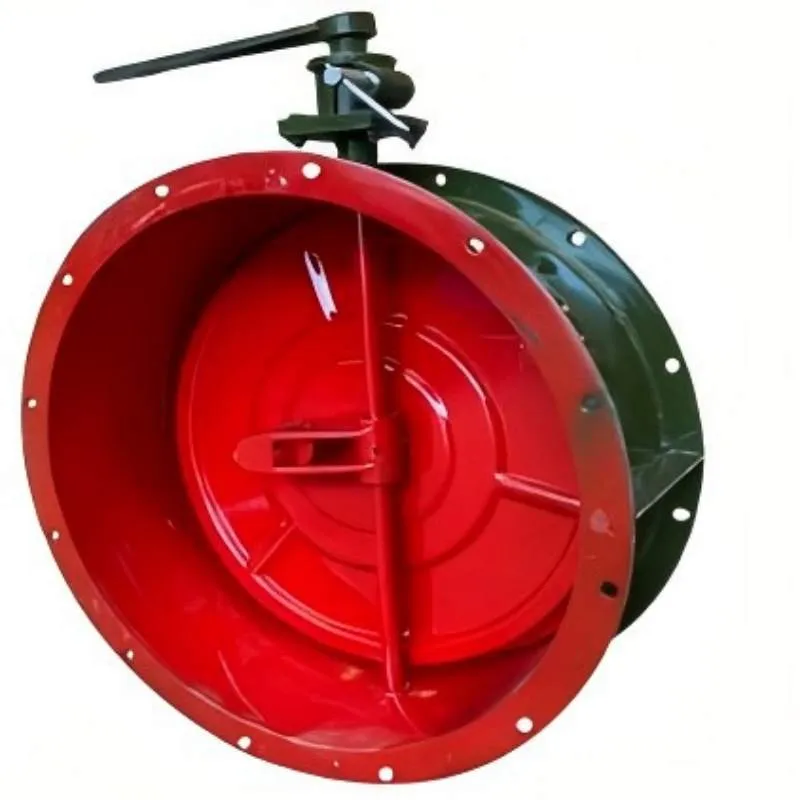

Product Code : VF--DCC-D156-CU
Bore range: NPS 3" to 56" (DN 80 to 1400)
Pressure rating: ASME CLASS 150 - 1500 (PN10 - PN260)
Main materials: carbon steel, stainless steel, alloy steel, etc.
Connection methods: Earmount type, butt type, flange type, socket weld type
Operating methods: manual, pneumatic, electric, hydraulic, etc.
Application scope: Petroleum, chemical industry, natural gas, petrochemicals, coal chemical industry, etc.
Please contact us if you need customized services. We will contact you with the price and availability in 24 hours.
| Product | Product Code | Purity | Size | Contact Us |
The pneumatic high-pressure differential butterfly valve is an automated control device that uses compressed air as the power source and is driven by an air actuator to rotate the butterfly plate to achieve the opening and closing of pipeline media or flow regulation. It has the characteristics of a compact structure, rapid opening and closing, small volume and light weight. It is suitable for fluid pipeline systems in industries such as petroleum, chemical engineering, metallurgy, and water treatment. It can also be used in fluid pipeline systems in industries such as food, textiles, and medicine that have strict requirements for hygiene, cleanliness, and no pollution, as well as in control systems for high-pressure and high-temperature fluid media such as natural gas. It can also be used in fluid pipeline systems that require frequent operation and control.
The pneumatic high-pressure differential butterfly valve is classified into two major types based on the sealing form: soft-sealing type and hard-sealing type. The soft-sealing type uses non-metallic materials such as rubber and polytetrafluoroethylene (PTFE) as the sealing pair, which has the characteristics of zero leakage, small opening and closing torque, and strong corrosion resistance. However, it is generally suitable for clean medium conditions with lower temperatures (-20℃ to 200℃) and lower pressures. The hard-sealing type is suitable for temperatures ranging from -40℃ to above 350℃ and is suitable for high-temperature and high-pressure environments.
The working principle of the pneumatic high-performance butterfly valve mainly relies on compressed air as the power source. Through the pneumatic actuator, the control signal is converted into an air pressure signal, thereby driving the valve disc to perform opening and closing operations. When the control signal is transmitted to the pneumatic actuator, the actuator will control the size and direction of the air pressure based on the signal's magnitude and direction, thereby driving the valve disc to rotate and achieve the opening or closing of the valve. During the process of valve opening or closing, the valve disc will rotate along the valve seat, adjusting the flow rate and pressure of the fluid by changing the opening degree of the valve disc. The valve body and valve seat of the pneumatic high-performance butterfly valve are generally made of cast steel or stainless steel, with high corrosion resistance and temperature resistance. The valve disc is made of special materials, with excellent wear resistance and sealing performance. At the same time, the pneumatic high-performance butterfly valve also adopts a unique eccentric structure and double eccentric structure, enabling the valve disc to effectively avoid friction and collision with the valve seat during opening or closing, thereby improving the service life and sealing reliability of the valve.
When selecting the type, the following key elements should be focused on: the corrosiveness of the medium, temperature, pressure and solid content; the choice of sealing form (soft seal or hard seal); the matching of the valve body and sealing material (for example, EPDM is suitable for -20℃ to 120℃, PTFE is suitable for -20℃ to 200℃, and metal seal is suitable for -40℃ to above 350℃); and whether additional requirements such as explosion-proof certification or SIL functional safety certification are needed. The normal gas source pressure range is 0.4-0.7 MPa, the standard type actuator operates within a temperature range of -20℃ to +80℃, and the high-temperature type can reach -20℃ to +180℃.
The pneumatic high-pressure differential butterfly valve is an automated control device that uses compressed air as the power source and is driven by an air actuator to rotate the butterfly plate, thereby achieving the opening and closing of the pipeline medium or flow regulation. It features a compact structure, rapid opening and closing, small size and light weight. It is suitable for fluid pipeline systems in industries such as petroleum, chemical engineering, metallurgy, and water treatment. It can also be used in fluid pipeline systems in industries such as food, light textiles, and medicine that have strict requirements for hygiene, cleanliness, and no pollution. It can also be used in control systems for high-pressure and high-temperature fluid media such as natural gas, and can also be used in fluid pipeline systems that require frequent operation and control.
Packing of Standard Packing:
Typical bulk packaging includes palletized plastic 5 gallon/25 kg. pails, fiber and steel drums to 1 ton super sacks in full container (FCL) or truck load (T/L) quantities. Research and sample quantities and hygroscopic, oxidizing or other air sensitive materials may be packaged under argon or vacuum. Solutions are packaged in polypropylene, plastic or glass jars up to palletized 470 gallon liquid totes Special package is available on request. E FORUs’ is carefully handled to minimize damage during storage and transportation and to preserve the quality of our products in their original condition.