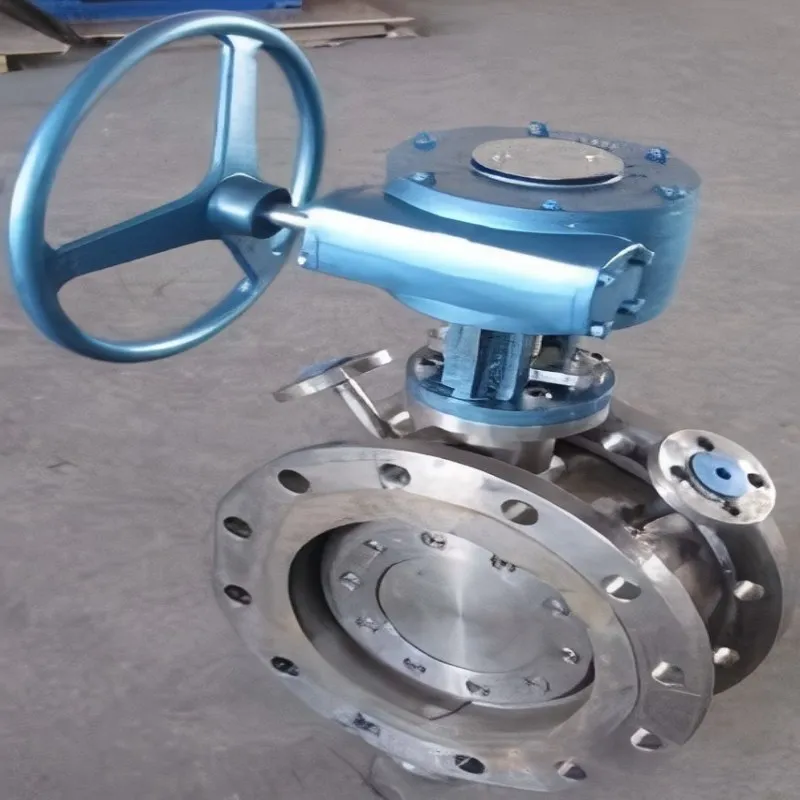

Product Code : VF--DCC-D160-CU
Bore range: NPS 2" ~ 80" (DN 50 ~ 2000)
Pressure rating: ASME CLASS 150 (PN0.6 - PN1.6)
Main materials: cast iron, cast steel, stainless steel, alloy steel, etc.
Connection method: Clamp type, flange type, butt-weld type
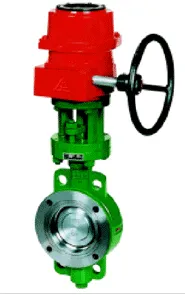
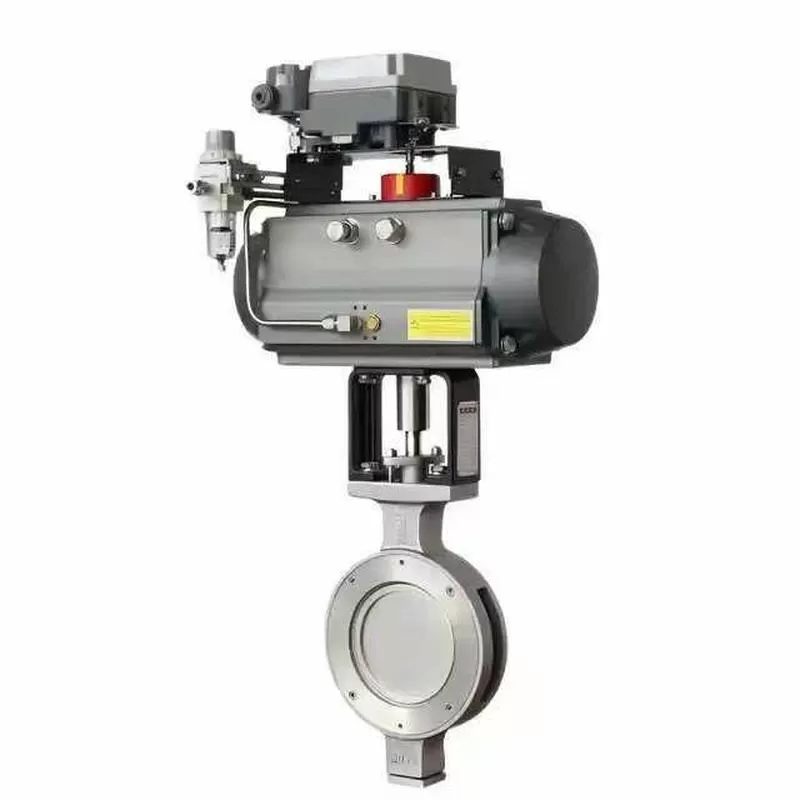
Operation mode: Manual, electric or pneumatic, etc.
Application scope: Petroleum, chemical industry, metallurgy, hydropower and other industries
Please contact us if you need customized services. We will contact you with the price and availability in 24 hours.
| Product | Product Code | Purity | Size | Contact Us |
Introduction to the telescopic butterfly valve:
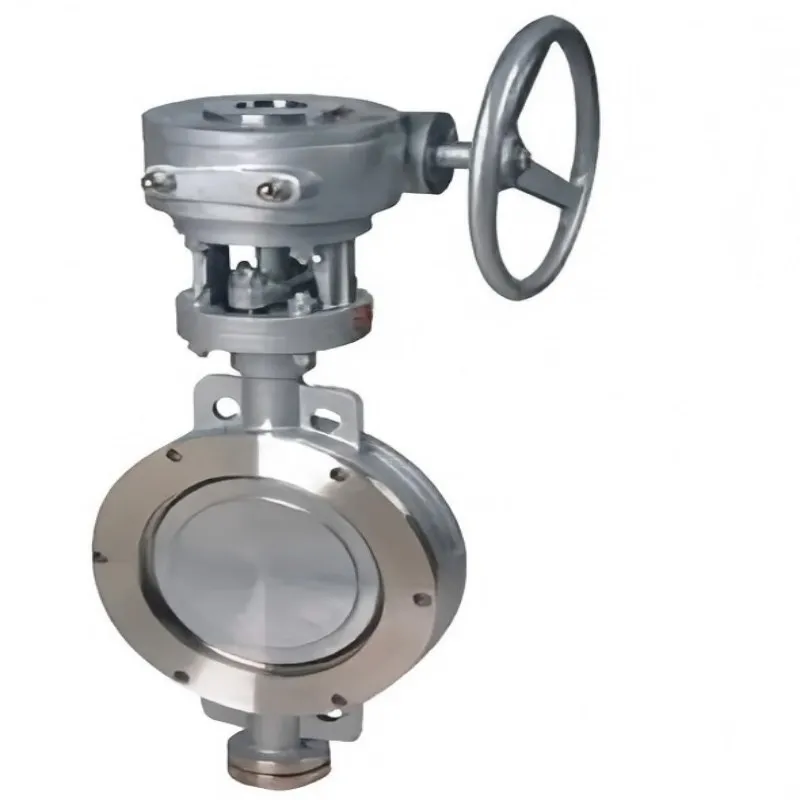
The butterfly plate of the telescopic butterfly valve is installed in the diameter direction of the pipeline. Inside the cylindrical channel of the valve body, the disc-shaped butterfly plate rotates around the axis, with the rotation angle ranging from 0° to 90°. When it rotates to 90°, the valve is in the fully open state.
Application scope of the telescopic butterfly valve:
The telescopic butterfly valve, as a component used to achieve the on-off function and flow control of pipeline systems, has been widely applied in many fields such as petroleum, chemical industry, metallurgy, hydropower, etc.
The valve body and valve seat of the three eccentric metal hard-sealed telescopic butterfly valve are a single component. The sealing surface layer of the valve seat is welded with a temperature-resistant and corrosion-resistant alloy material. Multiple layers of soft laminated sealing rings are fixed on the valve plate. Compared with traditional butterfly valves, this type of butterfly valve has the advantages of high temperature resistance, light operation, no friction during opening and closing, and compensation for sealing by increasing the torque of the transmission mechanism when closing, thereby improving the sealing performance and extending the service life of the butterfly valve. It is suitable for industries that require high temperature, high pressure, corrosion resistance, and wear resistance.
The main functions of the butterfly valve expansion joint include:
Protecting the pipeline: The butterfly valve expansion joint can protect the pipeline from damage. In the pipeline system, due to factors such as thermal expansion and contraction or crustal movement, the pipeline may experience displacement. The butterfly valve expansion joint can alleviate the stress caused by these changes, preventing the pipeline from bending, cracking or loosening at the joints.
Absorption displacement: It can also absorb the displacement of the pipeline, ensuring the stable operation of the system. Whether it is the length change caused by thermal expansion and contraction, or the position shift resulting from crustal movements such as earthquakes, the butterfly valve expansion joint can effectively absorb these displacements, reducing the impact on the pipeline system.
Improve sealing performance: The use of butterfly valve expansion joints can also enhance the sealing performance of the valve. By compensating for the wear of the sealing surfaces, it can maintain a good sealing state of the valve and reduce the possibility of leakage.
Simplified installation and maintenance: The design of the butterfly valve expansion joint makes the installation and maintenance of the valve much easier. Its layout is reasonable, and the maintenance workload is small. Even in a non-pressurized state, it can prevent the leakage of the medium.
Packing of Standard Packing:
Typical bulk packaging includes palletized plastic 5 gallon/25 kg. pails, fiber and steel drums to 1 ton super sacks in full container (FCL) or truck load (T/L) quantities. Research and sample quantities and hygroscopic, oxidizing or other air sensitive materials may be packaged under argon or vacuum. Solutions are packaged in polypropylene, plastic or glass jars up to palletized 470 gallon liquid totes Special package is available on request. E FORUs’ is carefully handled to minimize damage during storage and transportation and to preserve the quality of our products in their original condition.