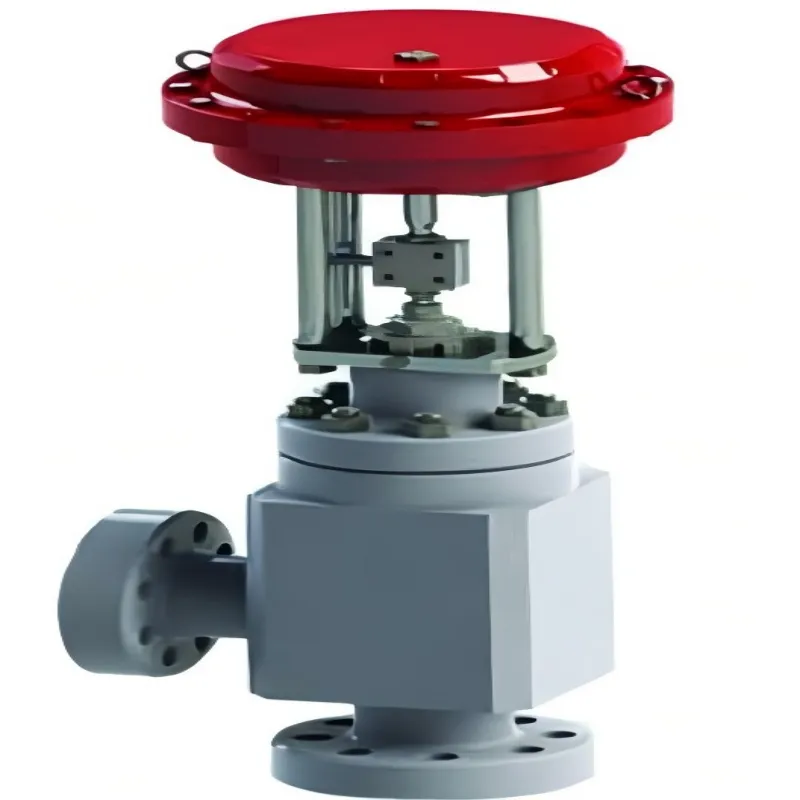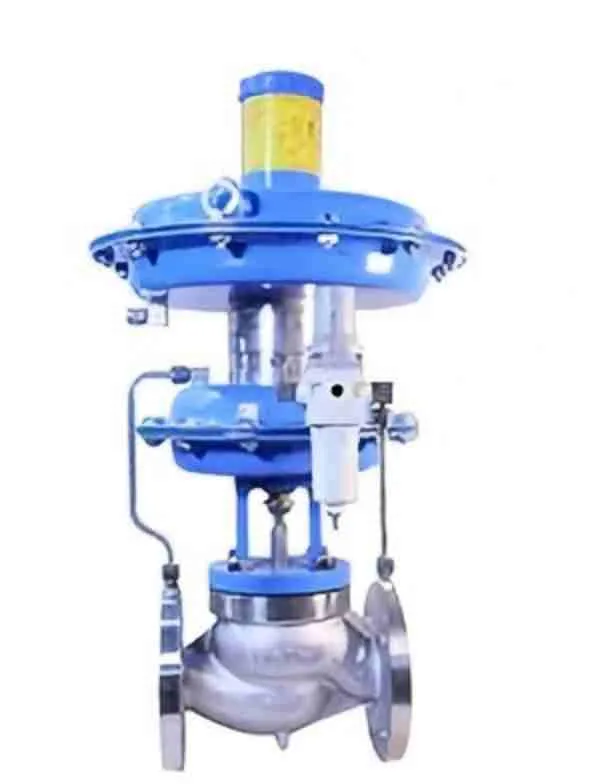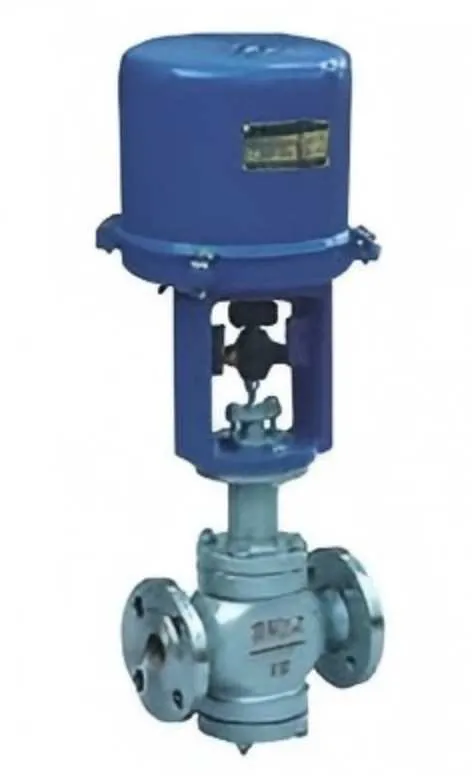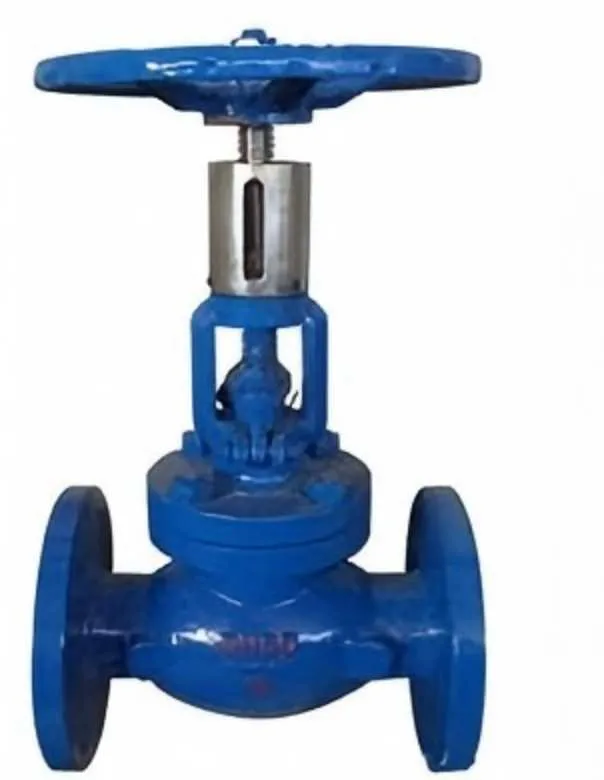

Product Code : VF--ZHCC-ZH73-CU
Bore range: NPS 2" to 6" (DN50 to DN150)
Pressure rating: ASME CLASS 1500 - 2500 (PN250 - PN420)
Main materials: carbon steel, alloy steel, etc.
Connection method: Butt welding end
Operation mode: Pneumatic, electric, etc.
Application scope: Thermal power industry
Please contact us if you need customized services. We will contact you with the price and availability in 24 hours.
| Product | Product Code | Purity | Size | Contact Us |
The small flow regulating valve of the feed pump, also known as the boiler feed pump recirculation valve, is a crucial safety and energy-saving control device in modern large thermal power plants, industrial boiler systems, and high-pressure steam power units. Its core function is to ensure that the feed pump maintains sufficient cooling flow during low-load operation or during the start-up and shutdown transition process, preventing severe accidents such as a sudden increase in water temperature inside the pump body, intensified cavitation, failure of mechanical seals, dry grinding of bearings, thermal deformation of the impeller, and even shaft breakage due to insufficient flow.
Here is an introduction to the small flow regulating valve of the feed pump:
Function and Working Principle: The main function of the small flow control valve is to prevent cavitation caused by insufficient pump flow, ensuring that the working medium in the feed pump does not vaporize, thereby avoiding damage to the pump. When the inlet flow of the feed pump is lower than the set value, the small flow valve opens. If the flow still remains below the safety value after opening, the pump shutdown protection mechanism will be triggered. The small flow valve is usually installed on the branch pipe at the pump outlet and is closed during normal operation. When not supplying water, it is controlled to open or close by temperature, pressure or an outlet valve interlock method, to remove some of the small flow of hot water, prevent pump cavitation, and ensure the normal continuous operation of the pump.
Technical parameters and materials: The nominal pressure range is extensive, including PN1.6, 2.5, 4.0, 6.4, 10, 16, 25 MPa, CLASS150, 300, 600, 900, 1500 Lb, etc.; The connection methods are diverse, such as flange FF, RF, RTJ, welding SW, BW, etc. The valve body types are mostly straight-through cast ball valves, with nominal diameters ranging from DN20 to DN200. The standard valve body materials are carbon steel and stainless steel, and various alloy materials for high corrosive application scenarios can also be provided.
Working mode: The working modes of the small flow valve are diverse, including temperature control, pressure control, and interlock control with the main valve. For example, the high-pressure descaling water in the rolling mill adopts temperature control. The valve opens when the descaling water temperature reaches 50℃ and closes when it drops to 40℃. For general water pumps, the outlet pressure of the pump is used for control. When the pressure exceeds a certain set value, the small flow valve opens. Additionally, the switch of the small flow valve can be linked with the main valve that supplies water to the outside to achieve automatic control.
Structural features: The small-flow recirculation regulating valve STC for feed pumps has two types of structures: cascade type and labyrinth type. It consumes the energy of the fluid through curved channels, reduces the flow velocity, and prevents liquid cavitation. For example, the cascade type small-flow recirculation regulating valve uses 5 stages of throttling. A throttling orifice plate is set on the lower side of the valve seat sealing surface to improve the fluid flow state, control the flow velocity at around 30 m/s, and the throttling surface is separated from the sealing surface. After hardening treatment, it closes tightly and has a long service life. Even if it contains solid particles, it will not easily get stuck.
The small-flow regulating valve of the feed pump, also known as the boiler feed pump recirculation valve, is a crucial safety and energy-saving control device in modern large thermal power plants, industrial boiler systems, and high-pressure steam power units. Its core function is to ensure that the feed pump maintains an adequate cooling flow during low-load operation or during the start-up and shutdown transition process, preventing severe accidents such as a sudden increase in water temperature inside the pump body, intensified cavitation, failure of mechanical seals, dry grinding of bearings, thermal deformation of the impeller, and even shaft breakage due to insufficient flow.
Packing of Standard Packing:
Typical bulk packaging includes palletized plastic 5 gallon/25 kg. pails, fiber and steel drums to 1 ton super sacks in full container (FCL) or truck load (T/L) quantities. Research and sample quantities and hygroscopic, oxidizing or other air sensitive materials may be packaged under argon or vacuum. Solutions are packaged in polypropylene, plastic or glass jars up to palletized 470 gallon liquid totes Special package is available on request. E FORUs’ is carefully handled to minimize damage during storage and transportation and to preserve the quality of our products in their original condition