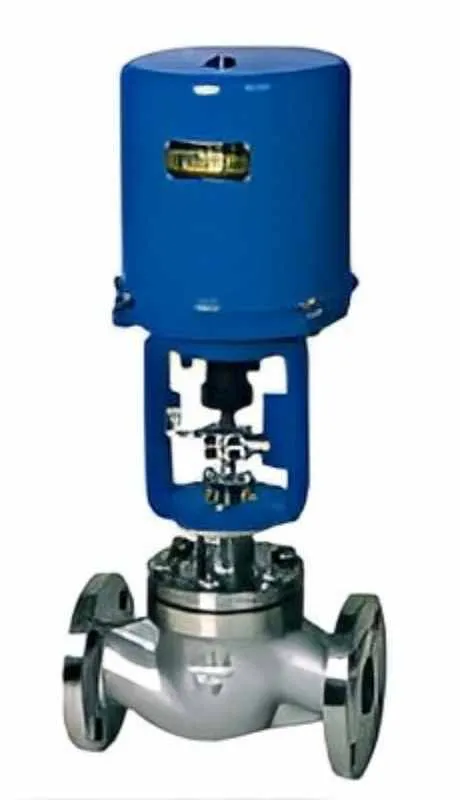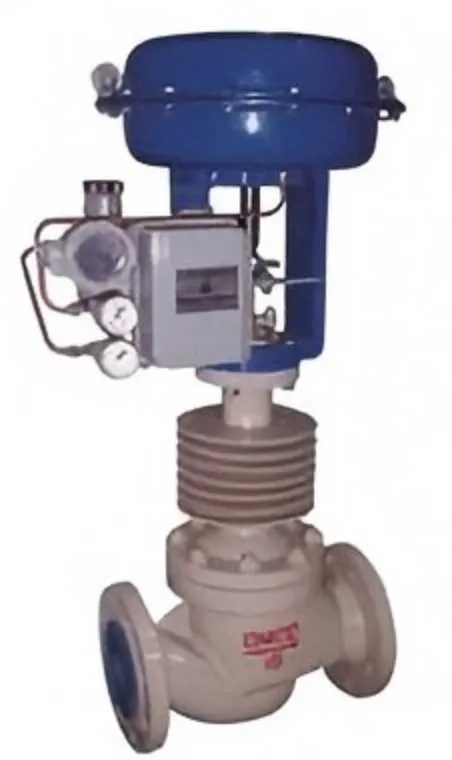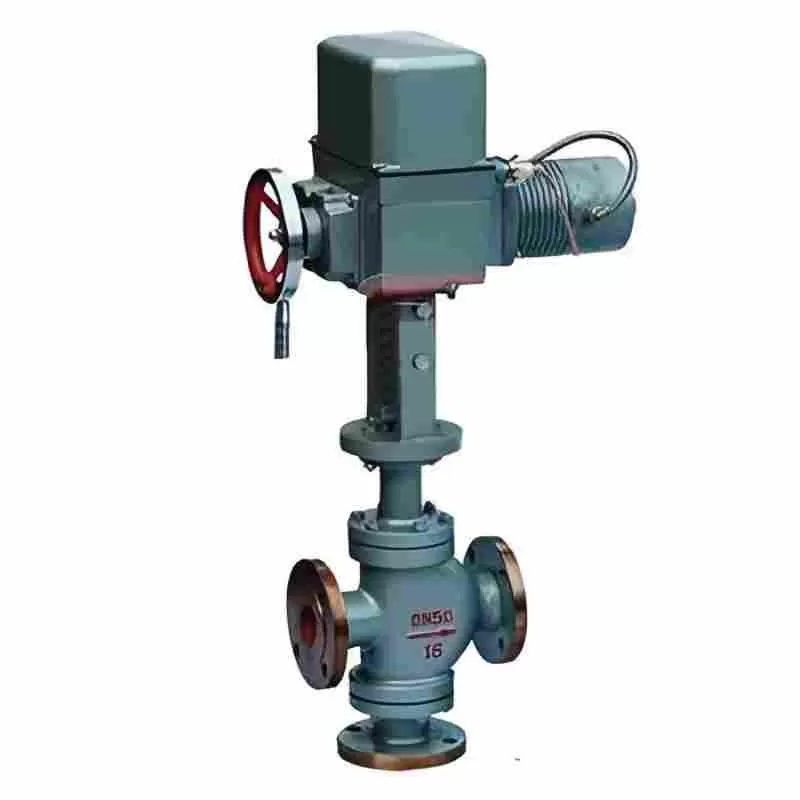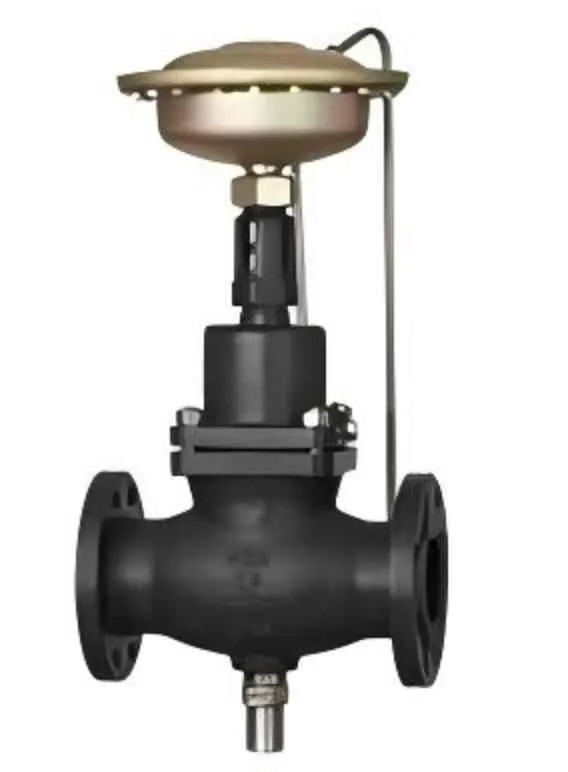

Product Code : VF--ZHCC-ZH71-CU
Bore range: NPS 2" to 10" (DN50 to DN250)
Pressure rating: ASME CLASS 1500 - 2500 (PN250 - PN420)
Main materials: Carbon steel, alloy steel
Connection method: Flange end, butt welding end
Operation mode: Pneumatic, electric, etc.
Application scope: Thermal power industry
Please contact us if you need customized services. We will contact you with the price and availability in 24 hours.
| Product | Product Code | Purity | Size | Contact Us |
The boiler feedwater regulating valve is a novel pressure-balancing sleeve structure high-pressure differential regulating valve.The boiler feedwater regulating valve is a novel pressure-balancing sleeve structure high-pressure differential regulating valve. The sleeve and valve core of the valve components adopt a porous and cascaded mixed structure. The sleeve and valve core of the valve components adopt a porous and cascaded mixed structure. The fluid first undergoes first-stage throttling through the window of the sleeve, and then undergoes three levels of continuous cascaded throttling. The fluid first undergoes first-stage throttling through the window of the sleeve, and then undergoes three levels of continuous cascaded throttling. This design allows for a large pressure difference, excellent sealing performance, a fluid channel in the form of an S-flow line, large flow rate, and good dynamic stability of the regulating valve.
This design allows for a large pressure difference, excellent sealing performance, a fluid channel in the form of an S-flow line, large flow rate, and good dynamic stability of the regulating valve.
This valve is one of the important regulating valves in the boiler feedwater system of thermal power plants.This valve is one of the important regulating valves in the boiler feedwater system of thermal power plants. It can also be applied to the automatic control systems of other industries such as petrochemicals, for controlling high-pressure differential fluids. It can also be applied to the automatic control systems of other industries such as petrochemicals. It can be equipped with electric actuators and pneumatic actuators.
Advantages of the boiler feedwater regulating valve
It is capable of controlling high-pressure differential fluids and can be equipped with electric actuators or pneumatic actuators.
Advantages of the boiler feedwater regulating valve
The internal components of the valve have a novel structure, employing a sleeve throttling mechanism to effectively control the flow velocity at around 30 meters per second.
2. The throttling surface is separated from the valve seat sealing surface, effectively protecting the sealing surface.The internal components of the valve have a novel structure, employing a sleeve throttling mechanism to effectively control the flow velocity at around 30 meters per second.
2. The sealing performance is excellent and the service life is long.
3. The throttling surface is separated from the valve seat sealing surface, effectively protecting the sealing surface. The internal components of the valve are made of high-strength stainless steel. The sealing performance is excellent and the service life is long.
3. The surface of the parts has undergone hardening treatment, with a hardness of approximately HRC70, ensuring strong resistance to erosion.
4. The internal components of the valve are made of high-strength stainless steel. The surface of the parts has undergone hardening treatment, with a hardness of approximately HRC70, ensuring strong resistance to erosion.
The valve core adopts a pressure-balancing structure, which reduces the unbalanced force exerted by the fluid on the valve core.4. The valve core adopts a pressure-balancing structure, which reduces the unbalanced force exerted by the fluid on the valve core.
This valve is one of the important regulating valves in the boiler feedwater system of thermal power plants. It can also be applied to the automatic control systems of other industries such as petrochemicals. It is capable of controlling high-pressure differential fluids and can be equipped with electric actuators or pneumatic actuators.
Packing of Standard Packing:
Typical bulk packaging includes palletized plastic 5 gallon/25 kg. pails, fiber and steel drums to 1 ton super sacks in full container (FCL) or truck load (T/L) quantities. Research and sample quantities and hygroscopic, oxidizing or other air sensitive materials may be packaged under argon or vacuum. Solutions are packaged in polypropylene, plastic or glass jars up to palletized 470 gallon liquid totes Special package is available on request. E FORUs’ is carefully handled to minimize damage during storage and transportation and to preserve the quality of our products in their original condition